



Decarbonizing Cardinal
FG Float Glass
At Cardinal FG Company, quality float glass and environmental responsibility go hand in hand. Six of our seven U.S. float facilities are now operating at minor source levels for NOX, SO2, and particulate matter (PM) emissions, leading the industry. The seventh facility, which is home to 2 float lines, is in the process of upgrading emissions control systems to achieve the same minor source level of environmental performance.
Carbon
Capture at
Cardinal FG
Why decarbonizing float glass matters
The impact of float glass manufacturing
From efficiency to decarbonization
For decades, Cardinal has focused on:
- Developing high-performance LoĒ™ products that reduce building energy use.
- Implementing advanced furnace and process controls to improve operating efficiency.
- Achieving minor source status for emissions at our float glass plants through voluntary investments in emissions control technology.
CO2 capture is the next logical step: moving beyond “less impact” to actively removing CO2 from our float glass production.
Our partnership with K2-CO₂
Industry-first collaboration
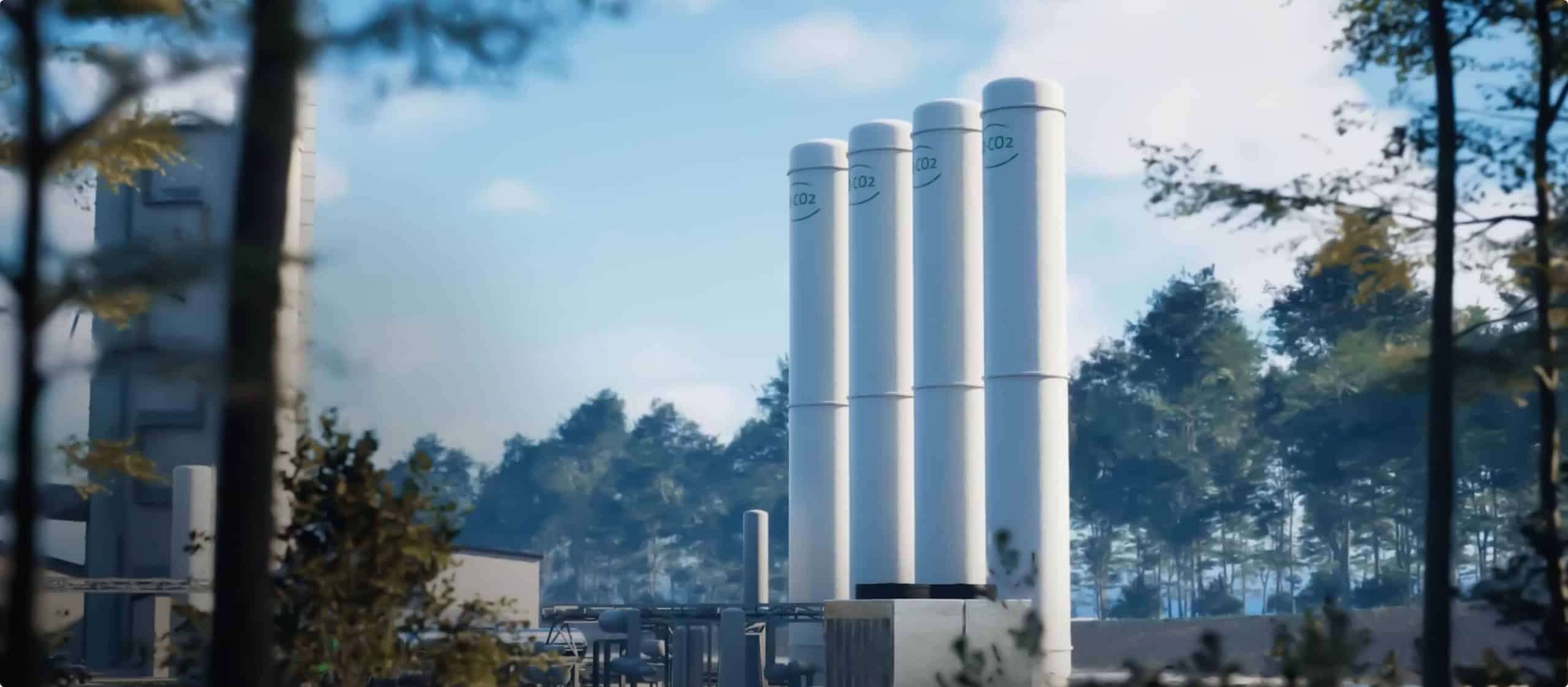
Cardinal Glass Industries is working with K2-CO₂, a global leader in CO2 capture systems based in Padova, Italy, to integrate large-scale CO2 capture into float glass operations.

Completed years of joint research, engineering studies and technology evaluation focused on float glass furnaces.

Designed & engineered systems that are tailored for Cardinal float glass production profile and high-volume operations.

Initiated deployment of CO2 capture at our float glass plants, with the goal of setting a new benchmark for decarbonized glass.
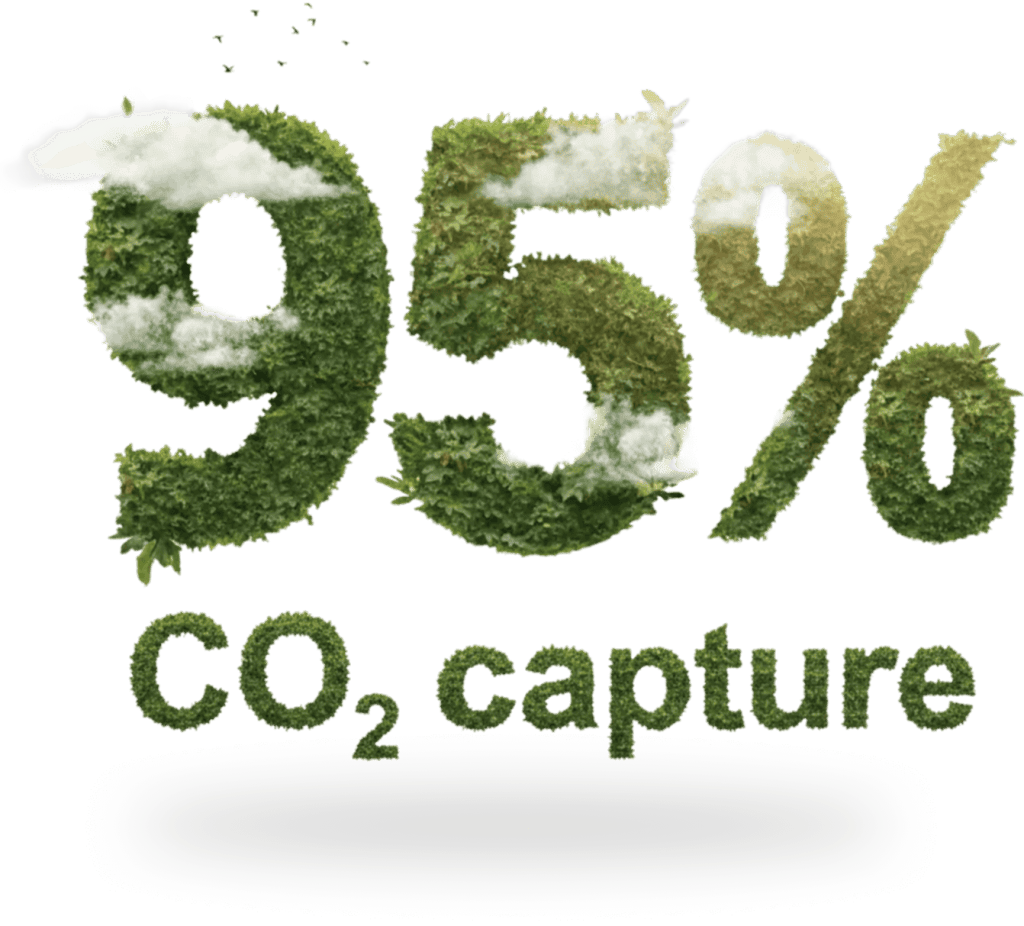
Designed for up to
95% CO2 capture
What the numbers mean in the real world
CO2 capture, in “tree” terms
Up to 95% CO2 captured…
At targeted float glass lines
… means more than 1.6 million trees’
worth of carbon captured.
Per system, 10-year equivalent
This comparison offers a tangible way to visualize the scale of the reduction, especially for architects, builders, and homeowners who are working to lower the carbon footprint of their projects.
Benefits for customers and projects
For our OEM window and door manufacturers, builders, and design partners, this initiative helps:
Lower embodied carbon of glazing systems that incorporate Cardinal float glass.
Support sustainability goals and green building programs that increasingly focus on upstream manufacturing emissions.
Strengthen their own environmental narratives with a verifiable story of decarbonized glass sourcing.

Building on minor source status
and emissions leadership
Beyond NOX and SO2
Cardinal FG’s float glass plants have invested heavily in emissions controls, with the goal, and now the achievement, of minor source status for regulated pollutants across our float operations.

Significantly reduced NOX, SO2, and particular matter (PM) emissions compared to conventional float glass baselines.

A consistent compliance record across multiple U.S. plants.

An established culture of environmental stewardship within Cardinal FG.

Adding carbon capture to the stack
From Day One
Our plants started up under BACT (best available control technology) requirements for air emissions.
2016
Q1 2028
- Lower regulated emissions (NOX, SO2 and particulates).
- Dramatically reduced CO2 emissions at the stack.
- High-quality glass that meets or exceeds Cardinal’s existing specifications.
Innovation for the next
generation of LoĒ™ glass
Cardinal is widely recognized as a leading producer of LoĒ, our energy-efficient coated glass products used in high performance windows and doors.
By pairing those products with decarbonized manufacturing, we aim to:
Help customers meet stricter energy codes and carbon-focused regulations.
Provide a clearer link between operational energy savings (on the building side) and embodied carbon reductions (on the manufacturing side).
Keep Cardinal at the forefront of glass technology and environmental responsibility.

What’s next: roadmap and
transparency
Rolling out CO2 capture across float glass plants
Over time, Cardinal plans to:
1.
2.
Continue refining processes to balance energy use, glass quality, and capture efficiency.
3.
Sharing progress with the market
We will track and share our progress through:
1.
Updates to Environmental Product Declarations (EPDs) as process changes are validated and incorporated.
2.
Technical resources for OEMs, architects, and specifiers who need to document embodied carbon in their projects.
To learn how Cardinal FG’s decarbonized float glass can support your next project, contact your Cardinal representative or our technical services team.